Preventing Hepatitis and Other Infectious Diseases Among Vulnerable Populations
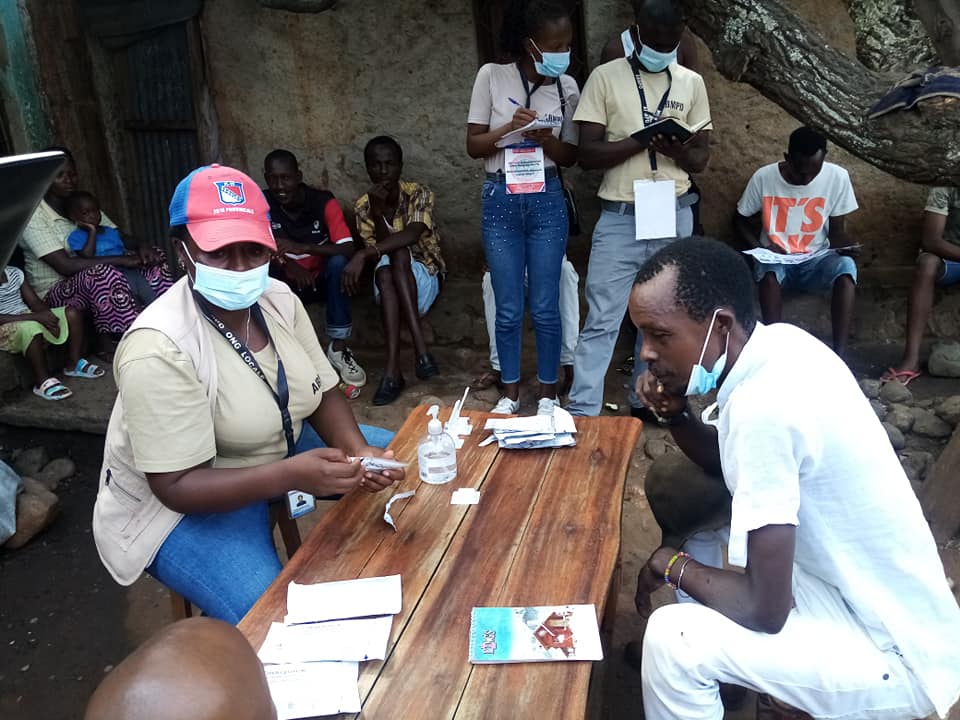
Introduction Hepatitis and other infectious diseases remain major public health challenges, particularly among vulnerable populations such as people who use drugs, sex workers, and individuals living in precarious conditions. Limited access to health services, stigma, and lack of information significantly increase the risk of infection and late diagnosis. ABMPD is committed to preventing the spread of infectious diseases through community-based, inclusive, and human-centered interventions that prioritize health, dignity, and access to care. Understanding Hepatitis and Infectious Diseases Hepatitis B and C are viral infections that primarily affect the liver and can lead to serious health complications such as liver failure, cancer, and death if left untreated. These diseases are often transmitted through: Sharing injecting equipment Unprotected sexual intercourse Contact with contaminated blood or sharp objects Poor hygiene and unsafe medical practices Other infectious diseases, including HIV, sexually transmitted infections (STIs), and tuberculosis, also disproportionately affect marginalized communities. ABMPD’s Key Interventions Community Awareness and Education ABMPD conducts regular community awareness sessions using simple and culturally appropriate language to help people understand: What hepatitis B and C are How infectious diseases are transmitted The importance of prevention, early testing, and treatment Safe practices to reduce health risks Harm Reduction and Prevention To reduce the transmission of infectious diseases, ABMPD promotes harm reduction strategies, including: Education on safer drug use practices Encouraging the use of sterile injection equipment Promotion of hepatitis B vaccination Awareness on safe sexual practices These interventions help protect both individuals and the wider community. Access to Health Services ABMPD works closely with health centers and partners to facilitate: Access to testing for hepatitis, HIV, and other infections Referral to treatment and medical follow-up Psychosocial support for people living with chronic diseases Reducing barriers to health services is essential to saving lives and improving community well-being. Reducing Stigma and Discrimination Stigma and discrimination remain major obstacles to disease prevention and care. ABMPD actively works to: Promote respectful and non-judgmental attitudes Encourage community solidarity and inclusion Educate families and community leaders on public health and human rights Health services should be accessible to everyone, without fear or exclusion. Why Prevention Matters Preventing infectious diseases is not only a medical issue but also a social responsibility. Early prevention and treatment: Reduce long-term health complications Protect families and communities Lower healthcare costs Promote healthier and more resilient societies Conclusion The fight against hepatitis and other infectious diseases requires strong community engagement, accurate information, and accessible health services. Through awareness, harm reduction, and advocacy, ABMPD reaffirms its commitment to protecting vulnerable populations and promoting a healthier, drug-free, and peaceful world.
Socio-Economic Reintegration through the Ideas Cube
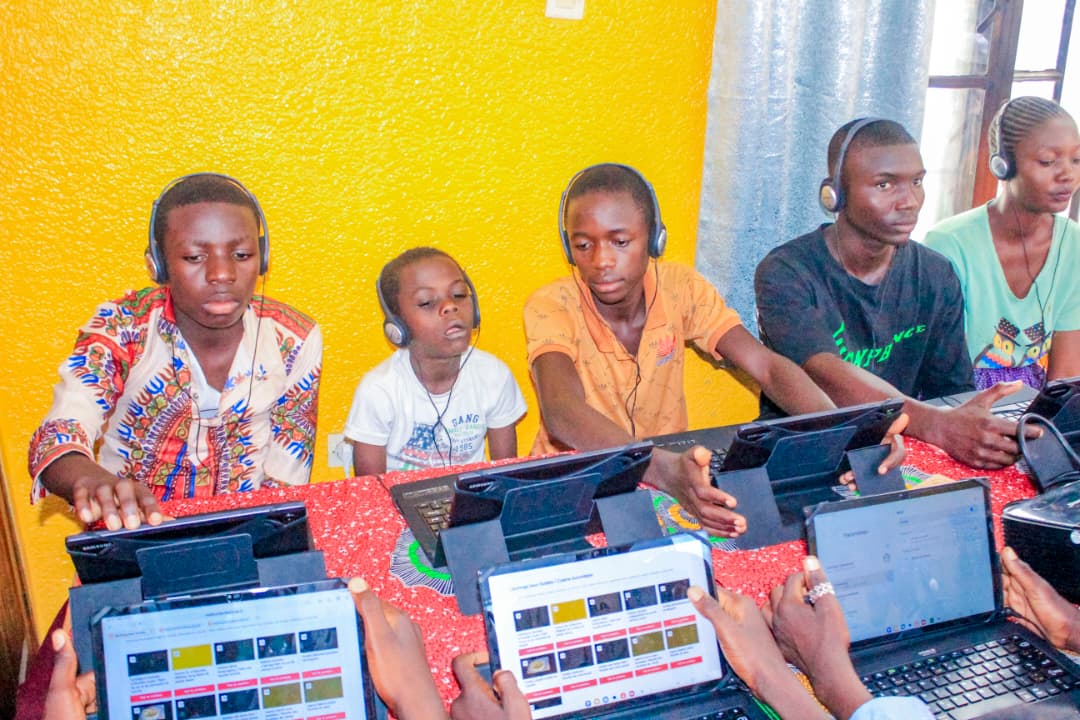
Using the Ideas Cube for Reintegration Using the Ideas Cube for Reintegration ABMPD actively promotes the socio-economic reintegration of prisoners and former detainees through education, skills development, and psychosocial support. Through a project funded by the European Union and implemented with partners, ABMPD uses the Ideas Cube, an innovative educational and cultural tool provided by Bibliothèques Sans Frontières. What Is the Ideas Cube? The Ideas Cube is a mobile multimedia library that provides access to: Educational and cultural books Digital learning resources and tablets Literacy and civic education materials Creative and recreational content It creates a safe and inclusive learning environment for vulnerable populations. Our Activities through the Ideas Cube Through this initiative, ABMPD implements: Literacy and basic education sessions Life skills and personal development training Psychosocial support and confidence-building activities Preparation for socio-economic reintegration after detention Impact on Beneficiaries These activities help participants rebuild self-esteem, acquire practical skills, and prepare for a dignified reintegration into society, reducing the risk of reoffending and social exclusion. ABMPD’s Vision By promoting education, dignity, and inclusion, ABMPD contributes to social cohesion, peace, and sustainable development.
Support. Don’t Punish
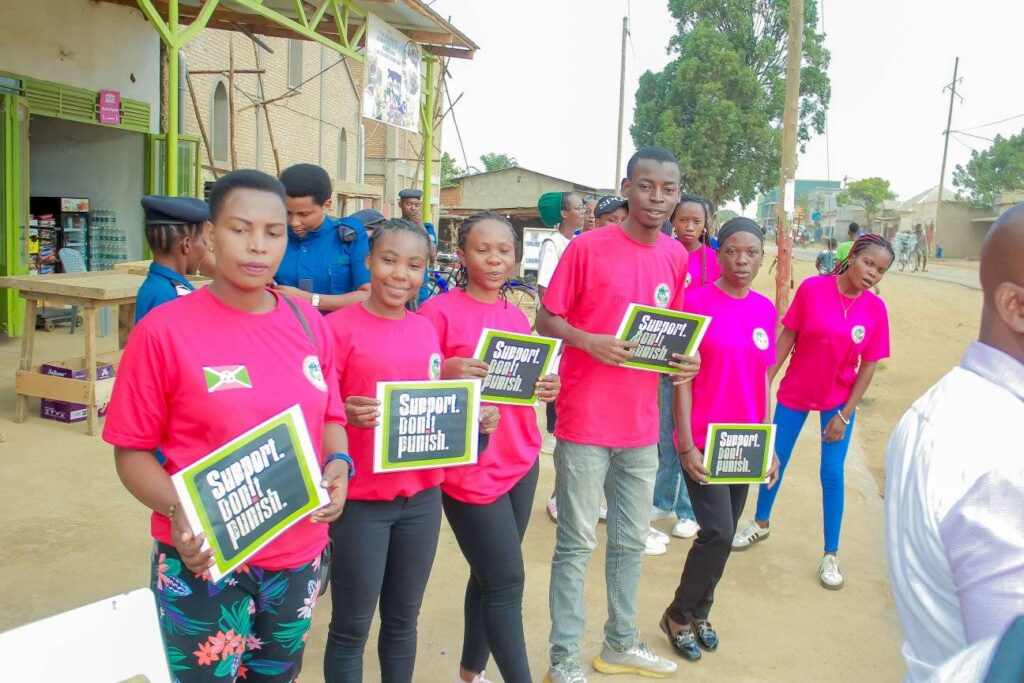
Support. Don’t Punish – Promoting Health and Human Rights for Key Populations Support. Don’t Punish ABMPD supports the international Support. Don’t Punish campaign, which advocates for health-centered and human-rights-based approaches to drug policies. Criminalization and punishment of people who use drugs often increase stigma, discrimination, and exclusion, preventing access to essential health and social services. Our Advocacy Focus ABMPD advocates for policies and practices that prioritize health, dignity, and social inclusion rather than punishment. Our key advocacy actions include: Promoting harm reduction services for people who use drugs Advocating for access to HIV, Hepatitis B and C prevention and care Raising awareness to reduce stigma and discrimination Supporting social and economic reintegration of vulnerable populations Engaging policymakers, communities, and families in dialogue Why Support. Don’t Punish Matters Punitive drug policies have proven ineffective in reducing drug use and instead contribute to public health crises, human rights violations, and social marginalization. A supportive and compassionate approach saves lives, protects communities, and strengthens public health systems. ABMPD’s Commitment ABMPD continues to advocate for evidence-based policies that protect health, promote dignity, and ensure that no one is left behind. Get Involved Join us in promoting health over punishment and supporting inclusive, life-saving interventions for key populations. Email: contact@abmpd.org Website: www.abmpd.org
Protecting Children, Restoring Hope
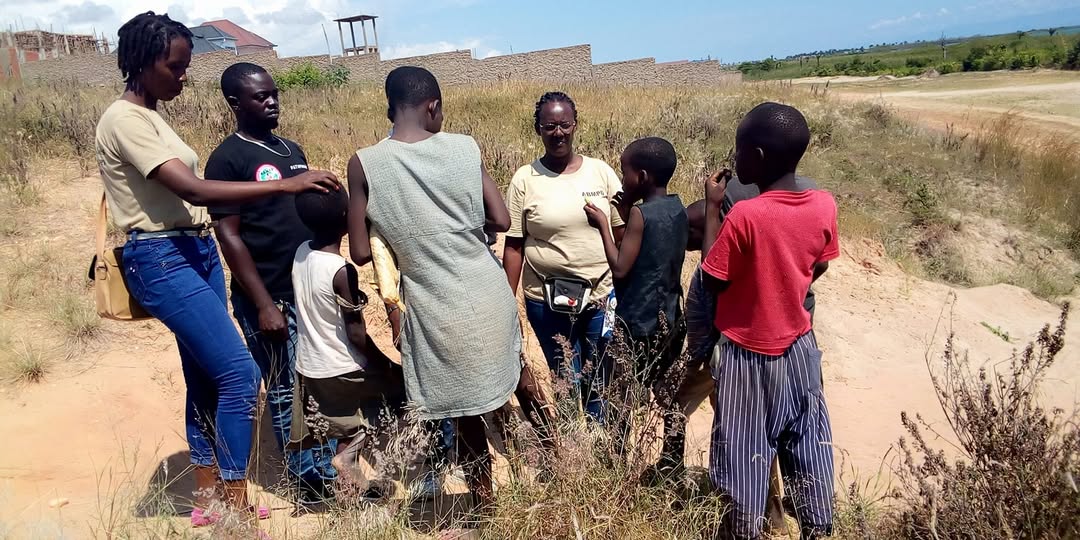
Protecting Children, Restoring Hope ABMPD is committed to protecting children, especially those on the move and living in vulnerable conditions, including along the shores of Lake Tanganyika. Our work focuses on ensuring children’s safety, dignity, and access to essential protection services. Our Key Actions Why Child Protection Matters Children exposed to violence, neglect, exploitation, and abuse face serious risks to their physical, emotional, and psychological development. Without protection, these children are more likely to drop out of school, suffer trauma, and remain trapped in cycles of poverty and vulnerability. Protecting children today means building safer families, stronger communities, and a more peaceful future. ABMPD’s Commitment ABMPD works closely with communities, families, and partners to prevent child abuse, promote children’s rights, and support sustainable reintegration solutions that respect the best interests of the child. Get Involved You can support our child protection efforts by collaborating with ABMPD, sharing awareness messages, or contacting us for partnership opportunities. Together, we can protect children and restore hope.